

+918048128529

Currently it only shows your basic business info. Start adding relevant business details such as description, images and products or services to gain your customers attention by using Boost 360 android app / iOS App / web portal.

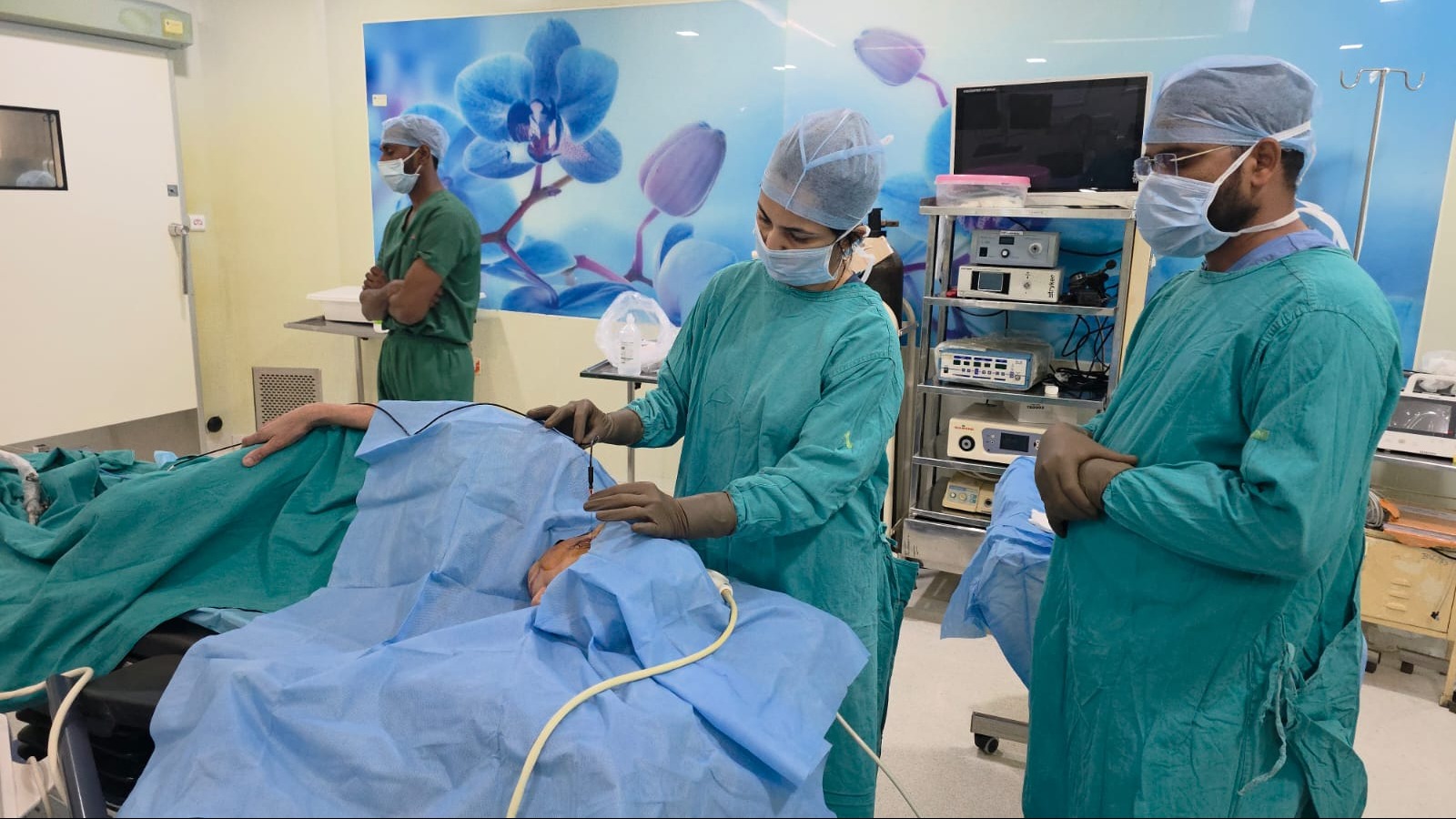
Trigeminal neuralgia (TN) is one of the most severe pain conditions known to medicine, often described as sudden, electric shock-like facial pain lasting from a few seconds to a couple of minutes. While surgery is an option for some patients, nonsurgical management of trigeminal neuralgia is the first line of treatment for most people — and it works well for many. What Is Trigeminal Neuralgia? Trigeminal neuralgia affects the trigeminal nerve (the fifth cranial nerve), which carries sensation from the face to the brain. Even mild stimulation — eating, talking, brushing teeth, or a gentle touch — can trigger excruciating pain episodes. It most commonly affects people over 50 and is slightly more prevalent in women. First-Line Medications for Trigeminal Neuralgia Medication is the cornerstone of nonsurgical trigeminal neuralgia treatment. The goal is to reduce or eliminate pain episodes and improve quality of life. Carbamazepine (Tegretol) is the gold-standard medication and is FDA-approved specifically for trigeminal neuralgia. It works by stabilizing nerve membranes and reducing abnormal nerve firing. Studies show it provides significant pain relief in 70–80% of patients. However, side effects such as dizziness, drowsiness, and low sodium levels need monitoring, particularly in older adults. Oxcarbazepine is closely related to carbamazepine but is often better tolerated with fewer drug interactions, making it a preferred alternative for many patients. Lamotrigine is sometimes used as an add-on therapy when carbamazepine alone is insufficient, particularly in refractory cases. Baclofen, a muscle relaxant, can be effective — especially when combined with carbamazepine — and is a useful option for patients who cannot tolerate anticonvulsants. Gabapentin and Pregabalin are increasingly used for trigeminal neuralgia, particularly in atypical cases or when other medications have failed. They are generally well tolerated, especially in elderly patients. Second-Line and Adjunct Medications When first-line drugs fail or cause intolerable side effects, physicians may consider: • Phenytoin — an older anticonvulsant occasionally used in acute pain crises • Clonazepam — a benzodiazepine with some evidence for facial pain • Topical applications — lidocaine patches or capsaicin cream applied near the affected area can provide localized relief in some patients Interventional Nonsurgical Options For patients who do not respond adequately to medications, several minimally invasive procedures can provide relief without open surgery: Ultrasound guided dry needling of muscles of face Percutaneous procedures target the trigeminal ganglion via a needle inserted through the cheek. These include glycerol rhizolysis, balloon compression, and radiofrequency ablation. All are performed under sedation, offer quick pain relief, and can be repeated if pain recurs. Lifestyle Modifications and Complementary Approaches While not curative, certain lifestyle adjustments can reduce the frequency of pain triggers: • Eating soft foods and avoiding extreme temperatures • Using a straw for liquids when facial touch triggers pain • Protecting the face from wind and cold • Stress management through mindfulness, yoga, or cognitive behavioural therapy (CBT) Key Takeaways Trigeminal neuralgia is a manageable condition. Carbamazepine remains the most effective first-line medication, and for patients who need more, minimally invasive procedures such as radiosurgery offer excellent results without the risks of open surgery. A personalized treatment plan developed with a specialist offers the best chance for long-term pain control and an improved quality of life. If you or a loved one is experiencing severe facial pain, consult a pain specialist for a thorough evaluation and individualized treatment plan. Keywords: trigeminal neuralgia treatment, nonsurgical management trigeminal neuralgia, trigeminal neuralgia medications, carbamazepine trigeminal neuralgia, facial pain treatment, trigeminal neuralgia pain relief, trigeminal nerve pain management


