

+918048128529

Currently it only shows your basic business info. Start adding relevant business details such as description, images and products or services to gain your customers attention by using Boost 360 android app / iOS App / web portal.

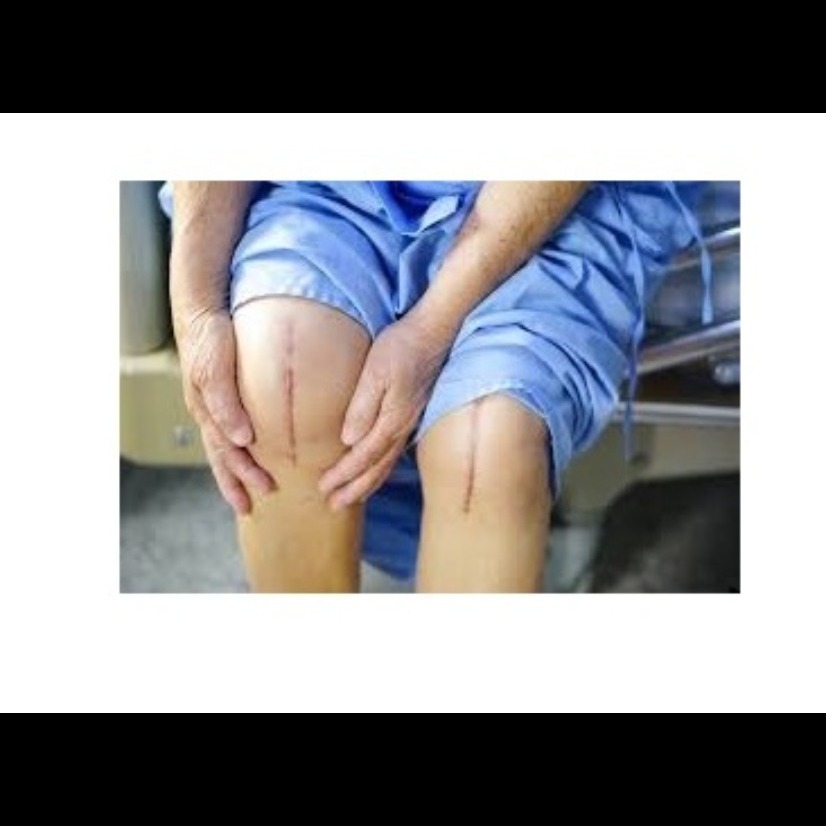
Section 1: Understanding Pain After Knee Replacement Q: What is pain after knee replacement surgery called? A: Pain that persists beyond 3 to 6 months after a total knee replacement (TKR) is medically termed Chronic Post-Surgical Pain (CPSP) or Persistent Post-Operative Pain. When it has a nerve-related character — with burning, shooting, tingling, or electric-shock sensations — it is specifically classified as neuropathic pain. This type of pain is distinct from the normal healing discomfort expected in the early weeks after surgery. Q: How common is pain after knee replacement? A: Knee replacement is one of the most frequently performed orthopaedic procedures worldwide. While it is highly successful in most patients, research shows that approximately 15–20% of patients continue to experience significant pain even after the joint has healed well mechanically. Of these, a notable proportion suffer from neuropathic pain — nerve-mediated pain that often goes unrecognised and undertreated. Q: Isn't some pain after surgery normal? When should I be concerned? A: Yes — pain, swelling, and stiffness in the first 6 weeks are a normal part of healing. Pain that improves with rest, ice, and elevation after activity is expected. You should seek specialist evaluation if: your pain does not gradually improve over 3 months; the pain has a burning, electric, or tingling quality; pain is present even at rest or wakes you at night; standard painkillers are providing no relief; or pain is affecting your sleep, mood, and daily activities. Q: Why does the knee still hurt if the joint replacement was done perfectly? A: This is one of the most common and frustrating questions patients ask. Even when the implant is correctly positioned and the surgery is technically perfect, pain can persist due to reasons that are not related to the implant itself. The most important of these is nerve sensitisation — where the nerves that supply the knee joint have become hypersensitive due to longstanding arthritis before surgery, surgical trauma, or the body's inflammatory response. These sensitised nerves continue to send pain signals even in the absence of structural damage. Key Insight: The implant is not always to blame. In many cases of persistent pain after knee replacement, the underlying problem is neuropathic — arising from sensitised nerves — and requires specialised pain management rather than revision surgery. Section 2: Causes of Persistent Knee Pain After Replacement Q: What are the most common causes of chronic pain after knee replacement? A: Causes of persistent pain after TKR can be broadly categorised as follows: • Neuropathic pain — sensitisation of nerves supplying the knee (most common underdiagnosed cause) • Myofascial pain — formation of trigger points and taut bands in muscles around the knee, thigh, and calf • Complex Regional Pain Syndrome (CRPS) — a condition where the nervous system generates exaggerated, prolonged pain • Implant-related issues — loosening, malalignment, overhang, or component malrotation • Infection — deep or superficial infection around the implant • Scar tissue and adhesions — fibrosis limiting movement and causing pain • Referred pain — from the hip joint, lower back, or sacroiliac joint • Pre-existing anxiety or depression — which can amplify pain perception Q: What is neuropathic pain after knee replacement, and why is it so important to recognise? A: Neuropathic pain occurs when the nerves themselves become a source of pain signals, independent of ongoing tissue damage. After knee replacement, several nerves may be affected: the infrapatellar branch of the saphenous nerve (frequently injured during surgery), articular branches from the femoral, obturator, and common peroneal nerves supplying the joint capsule, and the sciatic nerve if traction or positioning causes injury. These nerves, once sensitised, generate burning, shooting, tingling, or electric shock-type pain. Antineuropathic medications and nerve-specific interventions are required to address this type of pain — ordinary painkillers are usually insufficient. Q: What are myofascial trigger points and why do they cause knee pain after surgery? A: Myofascial trigger points are hyperirritable, tender nodules within tight bands of muscle. After knee replacement, muscles around the knee — including the quadriceps, hamstrings, gastrocnemius, and tensor fascia lata — often develop these trigger points due to prolonged disuse before surgery, surgical trauma, altered gait patterns, and protective guarding. These trigger points generate localised pain and can refer pain to distant areas, mimicking other causes of post-surgical pain. They are best treated with dry needling under ultrasound guidance. Q: Can previous long-standing arthritis pain make post-surgical pain worse? A: Yes, absolutely. This is a well-recognised phenomenon called central sensitisation. When a person suffers from severe arthritis pain for many years before surgery, the pain pathways in the spinal cord and brain become 'rewired' and hypersensitised. After surgery, even though the damaged joint has been replaced, these sensitised central pain pathways continue to amplify pain signals. This is one reason why patients with very severe pre-operative pain or longstanding disease sometimes report more pain than expected after surgery. Section 3: Diagnosing the Cause of Pain After Knee Replacement Q: How is the cause of pain after knee replacement diagnosed? A: A thorough assessment by a pain specialist is essential. This includes a detailed history of the character, location, timing, and aggravating factors of pain; clinical examination of the knee, hip, and spine; assessment with validated tools such as the painDETECT questionnaire to identify neuropathic components; musculoskeletal ultrasound to identify myofascial pathology, trigger points, and soft tissue abnormalities; imaging including X-rays, CT scans, or MRI to rule out implant issues, infection, or loosening; and nerve conduction studies if specific nerve injury is suspected. Q: What is the painDETECT questionnaire? A: The painDETECT questionnaire is a simple, validated tool that helps identify whether a patient's pain has a neuropathic component. It asks patients to describe their pain using descriptors such as burning, freezing, electric shock, tingling, numbness, and sensitivity to pressure or temperature. A high score suggests significant nerve involvement and guides the treating physician towards neuropathic pain management strategies. Q: What is musculoskeletal ultrasound, and how does it help in diagnosing pain after knee replacement? A: Musculoskeletal (MSK) ultrasound is a real-time, dynamic imaging tool that allows a pain specialist to visualise muscles, tendons, nerves, bursae, and other soft tissue structures around the knee in great detail. In the context of post-knee replacement pain, ultrasound helps to identify myofascial trigger points and taut muscle bands, peri-neural scarring or entrapment of nerves, bursitis and fluid collections, and soft tissue impingement. It also serves as a live guide for precise interventional procedures such as dry needling and nerve blocks. Section 4: Treatment of Persistent Pain After Knee Replacement Q: What is the overall approach to treating pain after knee replacement? A: Treatment of chronic post-surgical knee pain requires a multimodal, individualised approach. Rather than simply prescribing stronger painkillers, a comprehensive pain management strategy should address all contributing factors: neuropathic pain, myofascial pain, central sensitisation, and psychological factors. The three pillars of our approach are: (1) antineuropathic medications to calm sensitised nerves, (2) ultrasound-guided dry needling to treat myofascial trigger points, and (3) pulsed radiofrequency of the nerves supplying the knee joint to provide durable, targeted nerve modulation. Our Treatment Approach — Inspired by the Work of Dr. Lakshmi Champak Vas: Combination therapy using antineuropathic medicines, ultrasound-guided dry needling, and pulsed radiofrequency of the articular nerves of the knee has been shown to achieve reversal of chronic post-surgical pain and meaningful functional restoration in patients who had not responded to conventional treatment. Q: What are antineuropathic medicines and how do they help? A: Antineuropathic medicines are a class of drugs specifically designed to address nerve-related pain. Unlike standard painkillers (such as anti-inflammatory drugs or opioids), these medicines work by modulating abnormal electrical activity in sensitised nerves and dampening central sensitisation. Commonly used antineuropathic medicines include: • Gabapentinoids (Gabapentin, Pregabalin) — which reduce nerve excitability and are effective for burning, shooting, and tingling pain • Tricyclic antidepressants (Amitriptyline, Nortriptyline) — which modulate pain pathways in the brain and spinal cord and also improve sleep • SNRIs (Duloxetine) — which reduce central sensitisation and have evidence in various chronic musculoskeletal pain conditions • Topical agents (Lidocaine patches, Capsaicin cream) — for localised nerve pain around the surgical scar Important: These medications must be carefully titrated by a pain specialist. They are not 'quick fixes' and require regular follow-up to assess response, adjust doses, and monitor for side effects. Q: What is ultrasound-guided dry needling and how does it treat pain after knee replacement? A: Dry needling (DN) is a technique in which a fine acupuncture-type needle is inserted directly into myofascial trigger points — the tight, painful nodules within muscles — to release them and restore normal muscle function. Unlike injections, no medication is injected; the mechanical effect of the needle is the treatment. The term 'dry' refers to the absence of any injected solution. When performed under ultrasound guidance, the needle can be precisely directed to trigger points deep within muscles around the knee that cannot be reliably reached by palpation alone. This ensures accuracy, safety, and effectiveness. Q: Why is ultrasound guidance important for dry needling around the knee? A: The knee and thigh region contains important neurovascular structures — including the femoral artery, femoral nerve, popliteal vessels, and the common peroneal nerve — which must be avoided during needling. Ultrasound guidance allows real-time visualisation of the needle tip relative to these structures, significantly improving safety. It also allows the clinician to confirm that the needle is within the target trigger point and to observe the characteristic 'twitch response' of the muscle — a brief local muscle contraction that signals successful trigger point engagement and often leads to immediate pain relief. Q: What results can be expected from dry needling for post-knee replacement pain? A: Patients typically experience a local soreness for 24–48 hours after dry needling, followed by progressive reduction in muscle tightness and referred pain. Multiple sessions (usually 4–8, spaced 1–2 weeks apart) are often required for sustained benefit. Dry needling is most effective when combined with a graduated physiotherapy programme, as it allows muscles to be retrained in a pain-free state. In the experience of specialists using this technique for post-TKR myofascial pain, significant improvements in pain, range of motion, and function have been observed. Q: What is Pulsed Radiofrequency (PRF) of the nerves supplying the knee joint? A: Pulsed Radiofrequency (PRF) is a minimally invasive, non-destructive nerve modulation technique in which a radiofrequency needle is positioned adjacent to a target nerve under imaging guidance. Short bursts ('pulses') of radiofrequency energy are delivered at low temperature (below 42°C), which modulates the pain-transmitting activity of the nerve without causing permanent nerve damage. This is in contrast to conventional continuous radiofrequency ablation, which destroys the nerve. PRF is therefore safer, reversible, and suitable for sensory nerves. Q: Which nerves are targeted with PRF for pain after knee replacement? A: The knee joint receives its nerve supply from multiple articular branches arising from the femoral nerve, the obturator nerve, the common peroneal nerve, and the tibial nerve. Targeting the composite nerve supply to the knee — rather than a single nerve — provides comprehensive pain relief. The specific nerves targeted include: • The superolateral and superomedial genicular nerves (branches of the femoral nerve) • The inferomedial genicular nerve (branch of the tibial nerve) • The recurrent peroneal nerve (branch of the common peroneal nerve) • The articular branch of the obturator nerve A: Ultrasound guidance ensures accurate needle placement adjacent to each nerve, while PRF energy modulates pain transmission without nerve destruction. This technique was pioneered and described in detail by Dr. Lakshmi Champak Vas and colleagues. Q: How effective is PRF of the knee nerves for post-replacement pain? A: PRF of the composite nerve supply to the knee results in significant and sustained pain relief, combined with meaningful functional restoration, in patients with chronic post-surgical pain after total knee replacement who had not responded to standard treatments. The relief from a single PRF treatment session may last several months to over a year. Repeat sessions can be performed if pain returns. Q: How are dry needling and PRF combined for best results? A: The two techniques address different aspects of post-TKR pain and work synergistically. PRF targets the articular nerves supplying the joint and joint capsule — addressing deep, joint-origin neuropathic pain. Dry needling targets myofascial trigger points in the muscles surrounding the knee — addressing referred, muscle-origin pain and stiffness. When used together, PRF and dry needling under ultrasound guidance, combined with antineuropathic medications and physiotherapy, provide comprehensive coverage of all pain sources and yield far better outcomes than any single treatment alone. Section 5: Common Patient Questions Q: How many treatment sessions will I need? A: This varies depending on the severity and duration of pain, the number of contributing factors, and individual patient response. Typically, antineuropathic medications are started and adjusted over 4–8 weeks. Dry needling sessions are conducted every 1–2 weeks for 4–8 sessions. PRF is usually performed in one or two sessions and may be repeated after several months if needed. Regular reassessment guides the treatment plan. Q: Are these procedures painful or risky? A: Ultrasound-guided dry needling involves minor discomfort during needle insertion and a brief muscle twitch response, which some patients find momentarily uncomfortable but not severely painful. Post-procedure soreness usually resolves within 48 hours. PRF is performed under local anaesthesia and ultrasound guidance, making it well-tolerated. Since PRF does not destroy nerves, the risk of permanent nerve damage is extremely low. Both procedures are minimally invasive and are performed on an outpatient basis. Q: Will I need revision (repeat) knee replacement surgery? A: Not necessarily, and in many cases, the answer is no. A significant proportion of patients with persistent post-TKR pain have neuropathic and myofascial causes that are completely treatable without surgery. Before considering revision surgery, a thorough evaluation by a pain specialist is strongly recommended to identify and treat these non-mechanical causes. Revision surgery carries its own risks and does not address neuropathic or myofascial pain. Q: Can these treatments help if I have had pain for many years after my knee replacement? A: Yes. Even longstanding chronic pain after knee replacement can respond to well-targeted treatment. Antineuropathic medicines, dry needling, and PRF have been used successfully in patients who had been suffering for years. However, the duration of chronic pain does affect the degree of central sensitisation, and patients with longer-standing pain may require a more intensive and sustained treatment programme. Q: What can I do at home to help my recovery? A: Home measures that complement specialist treatment include: • Gentle, regular walking within pain-free limits to maintain joint mobility and muscle strength • Heat or ice packs as advised by your physiotherapist • Taking prescribed antineuropathic medications regularly and not stopping them abruptly • Maintaining a healthy weight to reduce mechanical load on the knee • Physiotherapy exercises as prescribed, particularly once dry needling has released myofascial tension • Practising relaxation techniques and sleep hygiene, as poor sleep worsens pain perception • Staying in regular contact with your pain management team and reporting any new symptoms Section 6: Key Takeaways 1. Persistent pain after knee replacement is common, affecting up to 20% of patients, and is a treatable condition. 2. Neuropathic pain and myofascial pain are the most frequently missed and undertreated causes. 3. Antineuropathic medicines calm sensitised nerves and form the medical backbone of treatment. 4. Ultrasound-guided dry needling precisely releases myofascial trigger points in muscles around the knee. 5. Pulsed Radiofrequency (PRF) of the composite nerve supply to the knee provides durable, targeted nerve modulation without nerve destruction. 6. Combining all three approaches —offers the best chance of comprehensive pain relief and functional restoration. 7. Many patients can achieve significant improvement without revision surgery. References 1. Vas LC, Khandagale N, Pai R. Reversal of Chronic Postsurgical Pain and Functional Restoration after Total Knee Replacement Using a Combination of Ultrasonography-Guided Pulsed Radiofrequency and Dry Needling. Pain Practice. 2014 Aug. 2. Wylde V, Hewlett S, Learmonth ID, Dieppe P. Persistent pain after joint replacement: Prevalence, sensory qualities, and postoperative determinants. Pain. 2011;152:566-572. 3. Phillips JRA, Hopwood B, Arthur C, Stroud R, Toms AD. The natural history of pain and neuropathic pain after knee replacement. Bone Joint J. 2014;96-B(9):1227-1233. 4. Beswick AD, Wylde V, Gooberman-Hill R, Blom A, Dieppe P. What proportion of patients report long-term pain after total hip or knee replacement for osteoarthritis? A systematic review of prospective studies in unselected patients. BMJ Open. 2012. 5. Vas LC. Pulsed Radiofrequency of the Composite Nerve Supply to the Knee Joint as a New Technique for Relieving Osteoarthritic Pain. Pain Practice. This article is intended for patient education. Please consult a qualified pain management specialist for individual assessment and treatment.


