

+918048128529

Currently it only shows your basic business info. Start adding relevant business details such as description, images and products or services to gain your customers attention by using Boost 360 android app / iOS App / web portal.

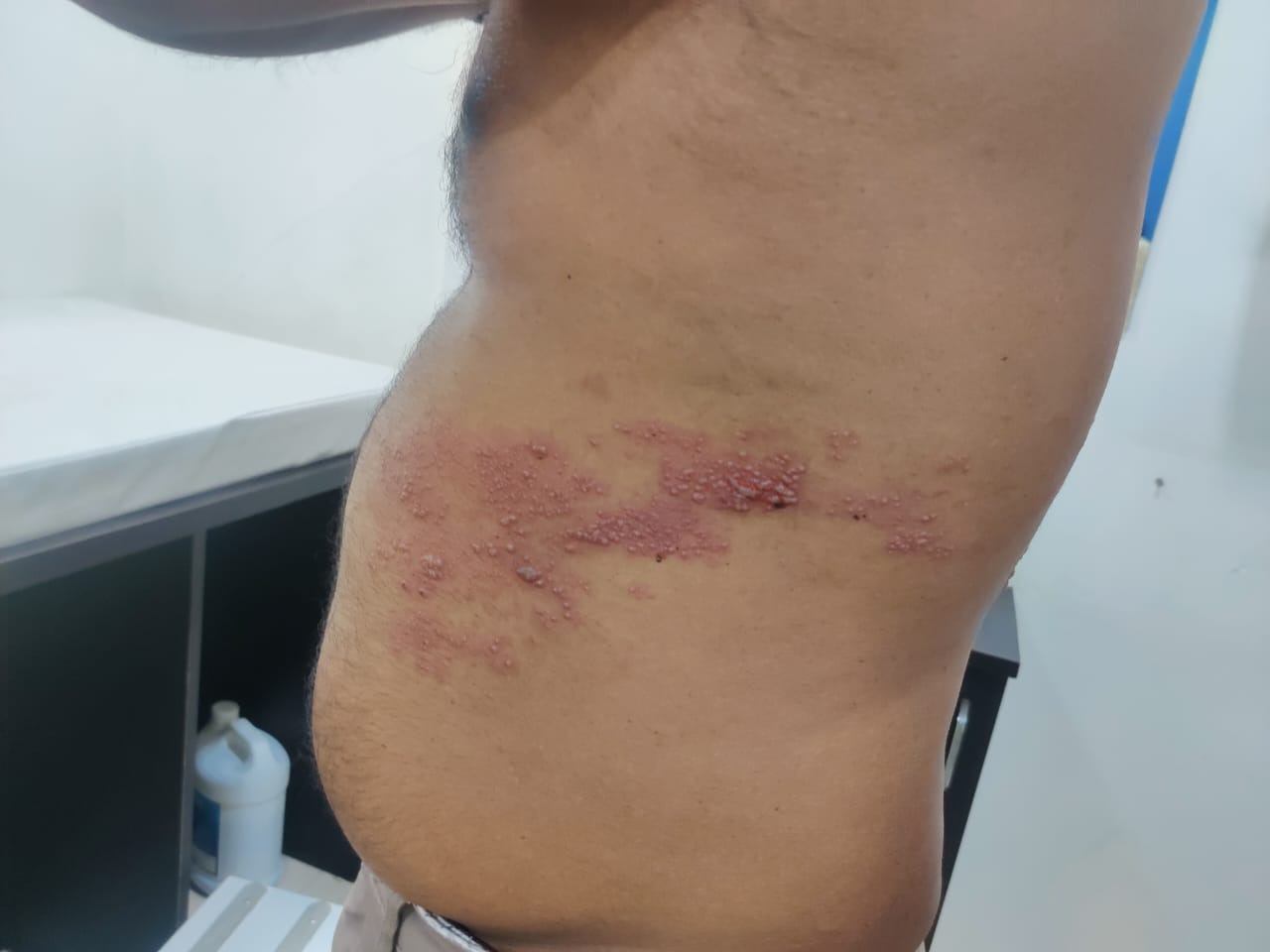
Postherpetic Neuralgia: Your Questions Answered What is Postherpetic Neuralgia? Postherpetic neuralgia (PHN) is persistent nerve pain that continues after a shingles outbreak has healed. If you've had shingles and are still experiencing burning, stabbing, or shooting pain in the area where your rash appeared—even though the rash itself is long gone—you're likely dealing with PHN. This condition can last for months or even years, significantly affecting your daily comfort and quality of life. Why Does the Pain Continue After My Shingles Rash Has Healed? Think of your nerves like electrical wires that carry signals throughout your body. When the varicella-zoster virus (the same virus that causes chickenpox and shingles) reactivates, it travels along these nerve pathways and causes significant damage. Even after the visible rash disappears, the damaged nerve fibers continue sending exaggerated pain signals to your brain. It's similar to an alarm system that malfunctions and won't turn off. Your nerves have been so traumatized by the viral infection that they keep firing pain signals even though the original threat has passed. This nerve damage scrambles the normal communication between your skin, nerves, and brain, creating ongoing pain where the shingles rash once was. Who is Most at Risk for Developing Postherpetic Neuralgia? Several factors increase your likelihood of developing PHN after a shingles outbreak: Age is the biggest risk factor. People over 60 are significantly more likely to experience this complication. The older you are when you get shingles, the higher your risk. Severe initial pain matters. If you experienced intense pain during your shingles outbreak, you're more susceptible to developing chronic pain afterward. Location of your rash counts. Shingles affecting your face, especially near the eyes, carries a higher risk of PHN. Extensive rash coverage increases risk. A widespread, severe rash suggests more significant nerve involvement and damage. Delayed treatment plays a role. If you didn't receive antiviral medications early in your shingles outbreak, your risk of PHN increases. What Medications Can Help Relieve Postherpetic Neuralgia Pain? Can Regular Pain Relievers Like Ibuprofen Help? Unfortunately, standard over-the-counter pain relievers typically don't work well for nerve pain. PHN requires specialized medications that target nerve function rather than inflammation. Your doctor will likely recommend medications specifically designed to calm overactive nerves. What About Antidepressants and Seizure Medications—Why Would Those Help My Pain? This surprises many people, but certain antidepressants and anticonvulsant (anti-seizure) medications are among the most effective treatments for nerve pain. Medications like gabapentin, pregabalin, amitriptyline, and duloxetine work by changing how your nerves communicate and how your brain processes pain signals. These medications calm nerve activity and can significantly reduce the burning, shooting pain associated with PHN. Don't let the names worry you—you don't need to have depression or seizures for these medications to help your nerve pain. It typically takes a few weeks to experience the full benefits, so patience is important. Are There Creams or Patches I Can Apply Directly to the Painful Area? Yes, topical treatments can be very effective, especially if you prefer localized treatment that doesn't affect your whole body. Lidocaine patches or creams numb the affected skin by blocking pain signals at the source. Capsaicin cream, made from the compound that makes chili peppers hot, works differently—it helps desensitize overactive nerve endings over time. Many patients appreciate these options because they provide relief exactly where you need it without systemic side effects. Will I Need Strong Pain Medications Like Opioids? Most people with PHN find adequate relief with the medications mentioned above. However, in cases of severe pain that doesn't respond to other treatments, your doctor might prescribe opioid pain medications. These are typically reserved for short-term use or situations where other options haven't provided sufficient relief, due to concerns about dependency and potential side effects. What Are Ultrasound-Guided Dry Needling Sessions? How Does Dry Needling Work for Nerve Pain? Ultrasound-guided dry needling is an innovative treatment that uses real-time imaging to guide thin, specialized needles precisely to affected nerves and tight muscle bands (called trigger points) in the painful area. The ultrasound guidance is crucial—it allows your pain specialist to see exactly where they're placing the needle in relation to nerves, blood vessels, and other structures. This ensures both accuracy and safety during the procedure. What Happens During the Treatment? During your session, your doctor will use an ultrasound probe to visualize the treatment area on a screen. They'll then insert thin needles at specific points to release muscle tension, improve blood flow, and help reset dysfunctional nerve signaling patterns. The procedure might cause brief discomfort, but most patients tolerate it well. How Many Sessions Will I Need? Treatment plans vary based on your individual response, but most patients undergo a series of sessions scheduled over several weeks. Many people notice gradual improvement in pain levels and increased mobility as they progress through their treatment course. What Are Nerve Block Injections? How Do Nerve Blocks Relieve Pain? Nerve block injections deliver a combination of anesthetic and anti-inflammatory medication directly around the affected nerves. This interrupts pain signals traveling from your damaged nerves to your brain, providing relief that can last weeks or even months. Think of it as temporarily unplugging the pain pathway. By blocking these signals, nerve blocks not only provide immediate relief but can also help break the chronic pain cycle your nervous system has developed. What Should I Expect During the Procedure? Your doctor performs nerve blocks using precise imaging guidance (usually fluoroscopy or ultrasound) to ensure the medication reaches exactly the right location. The procedure itself is relatively quick, typically performed in an outpatient setting. You'll receive a local anesthetic to numb the injection site, then your doctor will carefully position and inject the medication. Most patients can return to normal activities the same day, though you might need someone to drive you home depending on the medications used. How Long Does Relief Last? Results vary from person to person. Some patients experience relief lasting weeks or months from a single injection, while others benefit from a series of treatments scheduled over time. Even temporary relief can be valuable—it gives your nervous system a break from constant pain signals and may help 'reset' your pain pathways for longer-lasting benefits. What is Radiofrequency Ablation? How Does Radiofrequency Ablation Differ from Other Treatments? Radiofrequency ablation (RFA) offers a longer-lasting solution for PHN pain. Unlike medications that you take daily or injections that provide temporary relief, RFA uses heat generated by radio waves to create a small, controlled interruption in the nerve's ability to transmit pain signals. This minimally invasive procedure can provide relief lasting six months to two years or even longer, making it an attractive option for patients seeking more sustained pain reduction without ongoing medication use. What Happens During the Procedure? Your pain specialist uses imaging guidance (typically fluoroscopy) to position a special needle precisely near the nerve causing your pain. Once properly placed, radiofrequency energy passes through the needle, creating carefully controlled heat that creates a small lesion on the nerve. This lesion prevents the nerve from transmitting pain signals without affecting other important nerve functions. The procedure typically takes less than an hour, and you can go home the same day. You'll be awake but receive local anesthetic and possibly mild sedation for comfort. Is the Pain Relief Permanent? While RFA provides long-lasting relief, nerves can potentially regenerate over time, which means pain might eventually return. However, the procedure can be safely repeated if needed. Many patients enjoy significant pain reduction for a year or more, and some experience even longer-lasting relief. Are There Any Risks or Side Effects? RFA is considered very safe when performed by an experienced pain specialist. Possible side effects include temporary soreness at the injection site, mild numbness, or occasionally an uncomfortable tingling sensation. Serious complications are rare. Your doctor will discuss all potential risks and benefits with you before the procedure. How Do I Choose the Right Treatment? Should I Try Medications First? Most treatment plans begin with medications because they're non-invasive and can be very effective. Starting with anticonvulsants, antidepressants, or topical treatments makes sense for many patients. If medications alone don't provide adequate relief, you can then explore interventional procedures while continuing the medications that are helping. Can I Combine Different Treatments? Absolutely—and this is often the most effective approach. Many patients achieve the best results by combining medications with interventional treatments like nerve blocks, dry needling, or radiofrequency ablation. Your pain management specialist will help design a personalized treatment plan that addresses your specific needs. For example, you might start with gabapentin and lidocaine patches, add a series of nerve blocks if you need additional relief, and then consider radiofrequency ablation for longer-lasting pain control. How Do I Know if I Need Advanced Procedures Like RFA? Consider advanced interventional procedures if you've tried appropriate medications without sufficient relief, if your pain significantly impacts your daily activities and quality of life, or if you prefer longer-lasting solutions that don't require daily medication use. Your pain specialist will evaluate your pain severity, overall health, treatment history, and personal goals to determine whether procedures like nerve blocks, dry needling, or radiofrequency ablation are appropriate for you. When Should I See a Pain Management Specialist? If you're experiencing persistent pain lasting more than three months after your shingles rash has healed, it's time to consult a pain management specialist. Don't wait and suffer in silence—early intervention often leads to better outcomes. You should also seek specialized care if your current pain medications aren't providing adequate relief, if your pain is interfering with sleep or daily activities, or if you're interested in exploring interventional treatment options. What Results Can I Realistically Expect? Will My Pain Completely Go Away? While some patients achieve complete pain relief, it's more realistic to expect significant improvement rather than total elimination of pain. Many people experience 50-80% pain reduction with appropriate treatment, which can dramatically improve quality of life. The goal is to reduce your pain to a manageable level that allows you to sleep better, engage in activities you enjoy, and improve your overall well-being. Even partial relief can make a tremendous difference in your daily comfort. How Long Does It Take to See Results? This depends on your treatment approach. Nerve blocks may provide relief within hours to days. Medications typically take a few weeks to reach full effectiveness. Radiofrequency ablation might take one to three weeks before you notice maximum benefit. Dry needling often requires a series of sessions before achieving optimal results. Patience is important—finding the right treatment combination sometimes requires trial and adjustment. What's My Next Step? If you're living with pain after shingles, start by scheduling an appointment with your primary care doctor or a pain management specialist. Come prepared to discuss your symptoms, including when your pain started, what it feels like, what makes it better or worse, and any treatments you've already tried. Don't hesitate to advocate for yourself. Postherpetic neuralgia is a recognized medical condition with proven treatments. You deserve comprehensive care that addresses your pain and helps you return to the activities and quality of life you enjoyed before shingles. Remember, what works beautifully for one person might need adjustment for another. Be patient with the process, communicate openly with your healthcare team, and don't give up. With today's treatment options and an experienced pain specialist guiding your care, significant relief is achievable for most people with postherpetic neuralgia.


