

+918048128529

Currently it only shows your basic business info. Start adding relevant business details such as description, images and products or services to gain your customers attention by using Boost 360 android app / iOS App / web portal.


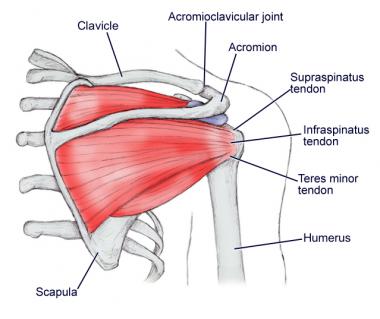 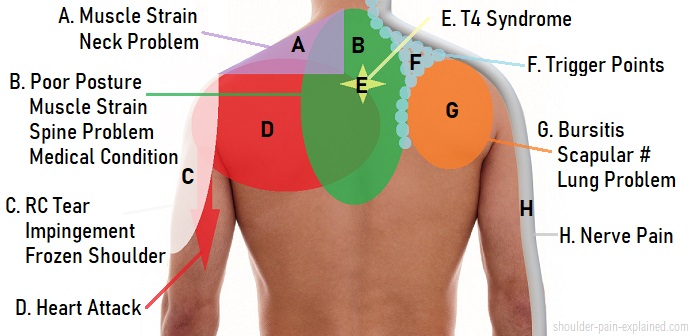    Shoulder pain is one of the most common reasons people seek medical advice. It can affect daily activities like combing hair, dressing, lifting objects, or even sleeping comfortably. Many people assume that shoulder pain always means a serious joint problem or that surgery is inevitable. In reality, most shoulder pain can be treated effectively with the right diagnosis and timely, non-surgical care. Understanding shoulder pain The shoulder is a highly mobile joint formed by the interaction of bones, muscles, tendons, ligaments, and surrounding soft tissues. Because of this complex structure, shoulder pain can arise from multiple sources, not just the joint itself. Pain may come from muscles, tendons, the joint capsule, bursae, or sometimes even from the neck. Common causes of shoulder pain include muscle overuse, rotator cuff–related pain, frozen shoulder, tendon inflammation, impingement, post-injury stiffness, and age-related degeneration. In many patients, imaging like X-ray or MRI may appear normal or show only mild changes, yet the pain can be severe. This is because pain is often driven by soft tissues and altered movement patterns, which are not always clearly visible on routine scans. Why shoulder pain becomes chronic When shoulder pain is ignored or treated inadequately, a vicious cycle can develop. Pain leads to reduced movement, reduced movement causes stiffness and muscle weakness, and this further increases pain. Many patients are advised prolonged rest or aggressive physiotherapy when pain is intense, which they may not tolerate. As a result, recovery is delayed, and the condition becomes chronic. It is important to understand that pain control is the first step toward restoring normal movement. Once pain is reduced, gradual and guided mobility becomes easier and more effective. Is surgery always required No. While surgery is necessary in selected conditions such as complete tendon tears or fractures, the majority of shoulder pain cases do not require surgery. With accurate diagnosis and targeted pain management, many patients experience significant relief and functional improvement without operative intervention. Modern pain management approaches for shoulder pain Advances in pain medicine have made it possible to treat shoulder pain in a precise and minimally invasive manner. These treatments are designed to reduce pain, improve movement, and help patients return to daily activities faster. Ultrasound-guided shoulder injections Using ultrasound guidance, medications can be delivered accurately to the exact source of pain, such as inflamed tendons, bursae, or the joint capsule. This improves safety and effectiveness while minimizing side effects. Pain relief achieved through these injections often allows patients to move the shoulder more freely and participate better in rehabilitation. Ultrasound-guided dry needling Many shoulder pain conditions have a significant muscular component. Tight and painful muscle bands can restrict movement and perpetuate pain even when scans are normal. Ultrasound-guided dry needling targets these dysfunctional muscles precisely, helping them relax and restore normal movement patterns. This technique is especially useful in patients who cannot tolerate conventional physiotherapy due to pain. Radiofrequency-based procedures In selected chronic shoulder pain cases, radiofrequency techniques can be used to modulate pain signals from specific nerves. These procedures are minimally invasive and may provide long-lasting pain relief, particularly when other treatments have not helped. Platelet-rich plasma therapy Platelet-rich plasma, prepared from the patient’s own blood, is sometimes used to promote healing in tendon-related shoulder problems. It is not required for every patient but can be beneficial in carefully selected cases. Importance of individualized care Every shoulder pain patient is different. The cause of pain, severity, functional limitation, and response to previous treatments vary widely. A thorough clinical evaluation is essential to identify the true pain generator and plan treatment accordingly. Treating shoulder pain is not just about looking at scan reports; it is about understanding how pain, movement, and daily activities are connected. When to seek specialist care If shoulder pain persists beyond a few weeks, interferes with sleep, limits daily activities, or does not improve with basic treatment, specialist evaluation is recommended. Early intervention can prevent long-term stiffness and disability and significantly shorten recovery time. At clinics led by pain specialists like Dr Priya Rathi, the focus is on comprehensive, non-surgical management of shoulder pain using evidence-based and patient-specific approaches. The goal is not only pain relief but also restoration of comfortable movement and quality of life. Shoulder pain does not have to be something you simply live with. With timely diagnosis and the right treatment strategy, most people can return to pain-free, confident shoulder movement.


