

+918048128529

Currently it only shows your basic business info. Start adding relevant business details such as description, images and products or services to gain your customers attention by using Boost 360 android app / iOS App / web portal.

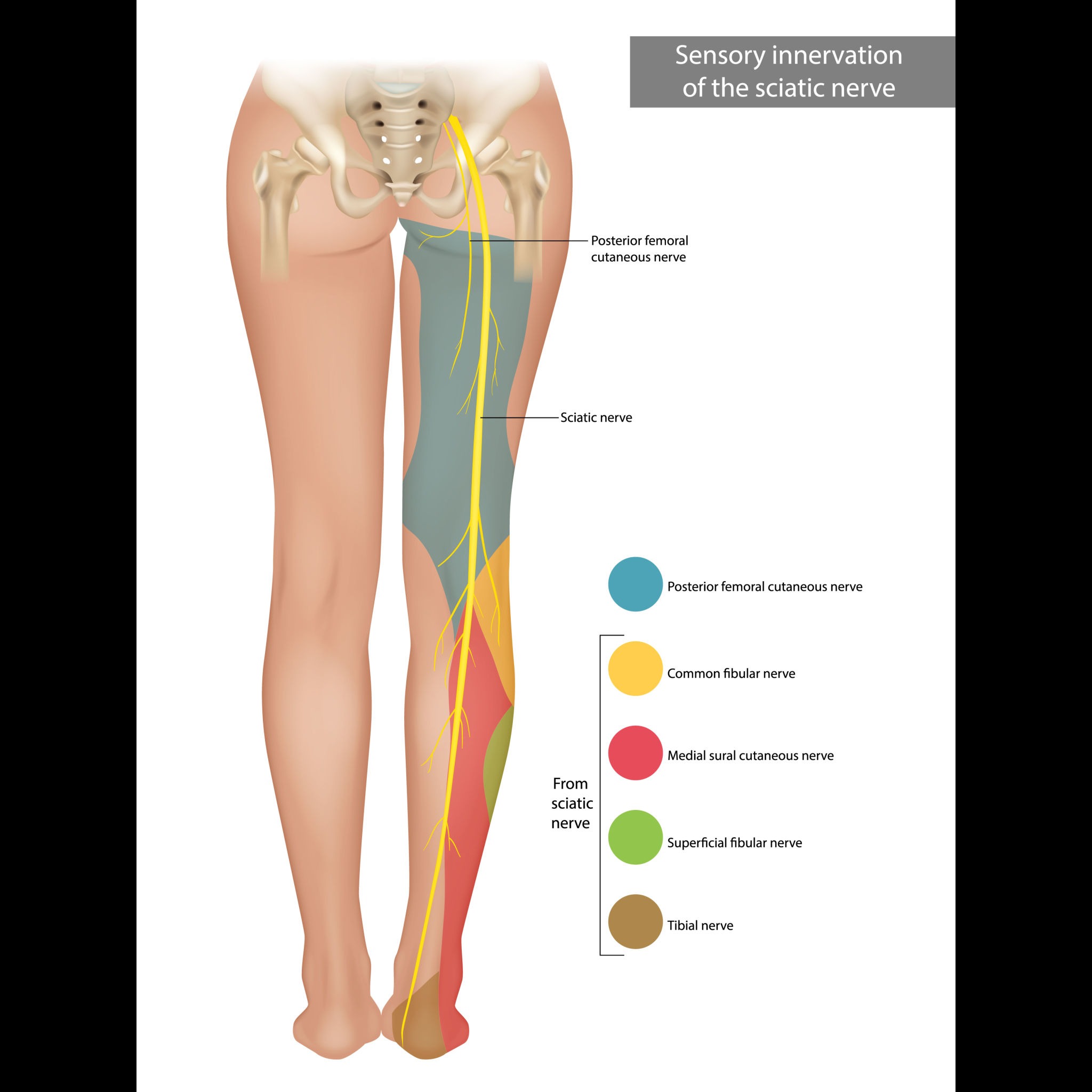
By Dr. Priya Rathi | Spine Specialist, Pune 'My back pain is shooting down my leg — do I have a slip disc or sciatica?' This is one of the most common questions I hear at Painace Clinic. The confusion is understandable — both conditions share similar symptoms. But they are not the same thing, and the distinction matters greatly for treatment. What Is a Slip Disc? A slip disc — medically called a herniated or prolapsed disc — is a structural problem in the spine. Between each vertebra in your spine sits a soft, cushion-like disc filled with a gel-like substance (nucleus pulposus) surrounded by a tough outer ring (annulus fibrosus). When this outer ring weakens or tears due to injury, age, or repeated strain, the inner gel can bulge or rupture outward. This is what we call a 'slipped disc.' Think of it like a jam-filled doughnut — when pressure builds, the jam (nucleus) squeezes out through the outer ring. Slip discs most commonly occur in: • The lower back (lumbar spine) — most common • The neck (cervical spine) • Rarely, in the mid-back (thoracic spine) What Is Sciatica? Sciatica is NOT a diagnosis — it is a symptom. It refers to pain that travels along the path of the sciatic nerve, which is the longest and widest nerve in the human body. This nerve runs from your lower back, through your hips and buttocks, and down each leg. Sciatica pain is typically described as sharp, shooting, burning, or electric-shock-like. It usually affects only one side of the body and can extend all the way to the foot. A slip disc is one of the most common causes of sciatica — but not the only one. Other causes include: • Spinal stenosis (narrowing of the spinal canal) • Piriformis syndrome (muscle irritating the sciatic nerve) • Spondylolisthesis (vertebra slipping over another) • Tumours or infections (rare) How Are the Symptoms Different? Here is a quick comparison to help you understand the key differences: Slip Disc (Herniated Disc) Sciatica What it is A structural injury to a spinal disc A nerve symptom / pain pattern Pain location Localized back or neck; may or may not radiate Always radiates — lower back down the leg Nature of pain Dull ache, sharp, or burning at disc site Sharp, shooting, electric-shock sensation Other symptoms Muscle weakness, stiffness, limited movement Numbness, tingling, burning in leg or foot Can you have both? Yes — a slip disc commonly causes sciatica Yes — sciatica is often caused by a slip disc Diagnosed by MRI or CT scan of the spine Clinical exam + nerve conduction study Can You Have Both at the Same Time? Yes — and it is very common. When a slipped disc in the lower back presses directly on the sciatic nerve root, it causes sciatica. In this case, the slip disc is the underlying problem, and sciatica is the resulting symptom. Important: Not every back pain that radiates to the leg is sciatica, and not every sciatica is caused by a slip disc. Accurate diagnosis through clinical examination and imaging (MRI) is essential before starting any treatment.', How Are They Treated? Treatment depends on the root cause and severity. At Sigma Spine and Pain Clinic, I always prefer conservative, non-surgical management first: Non-Surgical Treatment: • Physiotherapy and targeted spine exercises • Anti-inflammatory medications and nerve pain management • Epidural steroid injections for pain relief • Lifestyle modification — posture correction, ergonomics Surgical Treatment (when conservative care fails): • Microdiscectomy — minimally invasive removal of herniated disc material • Endoscopic spine surgery — keyhole approach with faster recovery • Spinal fusion — for instability cases When Should You See a Spine Specialist? Do not wait if you have: • Pain radiating down the leg lasting more than 4–6 weeks • Numbness or weakness in the leg or foot • Loss of bladder or bowel control (this is an emergency) • Severe back pain that does not improve with rest Early diagnosis = better outcomes The sooner you get a proper diagnosis, the more treatment options are available to you — and the lower the risk of permanent nerve damage.', Consult Dr. Priya Rathi at Sigma Spine & Pain Clinic, Pune For appointments and enquiries www.drpriyarathi.com | Spine & Pain Specialist, Pune


