

+918048128529

Currently it only shows your basic business info. Start adding relevant business details such as description, images and products or services to gain your customers attention by using Boost 360 android app / iOS App / web portal.

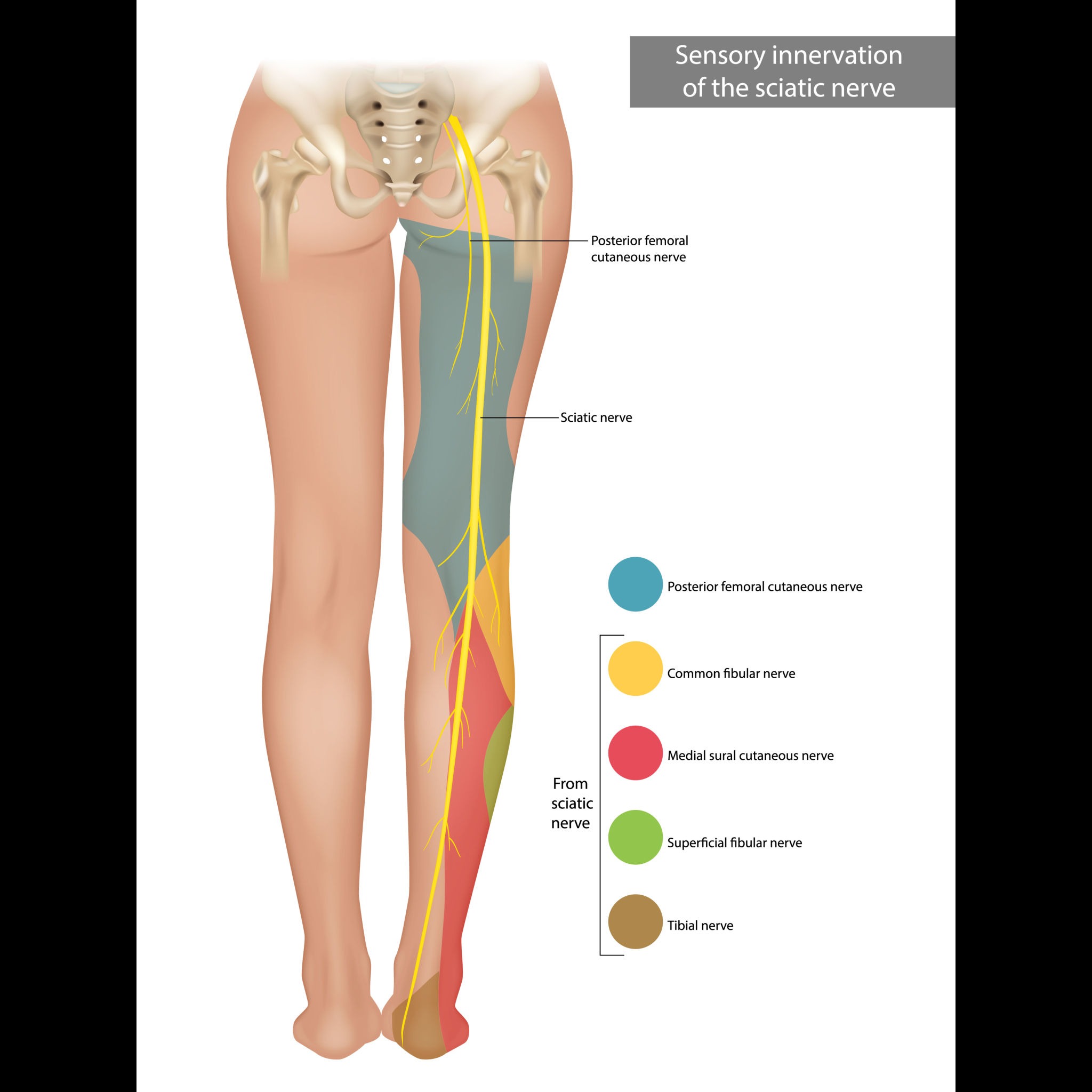
What Does Sciatica Feel Like? Recognizing the Symptoms If you've been told you might have sciatica, you're probably wondering what it actually feels like. Sciatica has distinctive symptoms that set it apart from other types of back and leg pain. Understanding these signs can help you recognize the condition and seek appropriate treatment. The Classic Sciatica Sensation Sciatica typically feels like a sharp, shooting pain that travels from your lower back down through your buttock and into one leg. Many patients describe it as an electric shock or lightning bolt sensation that follows a specific path along the sciatic nerve. The pain usually affects only one side of your body and can extend all the way down to your foot and toes, though the intensity may vary along the route. Common Sciatica Symptoms Sharp, Radiating Pain: The hallmark of sciatica is pain that radiates down the leg, often intensifying when you cough, sneeze, or sit for extended periods. Numbness and Tingling: You may experience a 'pins and needles' sensation or numbness in your leg or foot, particularly along the outside of your calf or the top of your foot. Muscle Weakness: Some people notice weakness in the affected leg or difficulty moving the foot or ankle, which can affect walking. Burning or Searing Sensations: Instead of sharp pain, sciatica can sometimes feel like a constant burning or searing discomfort along the nerve pathway. Pain That Worsens with Movement: Activities like standing up, walking, or twisting your torso often make sciatica pain worse, while lying down may provide relief. What Sciatica Doesn't Feel Like It's important to note that sciatica is not just general back pain. If your pain stays only in your lower back without radiating down your leg, it's likely not sciatica. Similarly, pain that affects both legs simultaneously is rarely sciatica. When to Seek Medical Help While mild sciatica often improves with conservative care, you should see a pain specialist if: • Pain is severe and not improving after a few weeks • You experience loss of bladder or bowel control • You have progressive leg weakness • Pain follows a traumatic injury Getting the Right Diagnosis Recognizing sciatica symptoms is the first step, but proper diagnosis requires a medical evaluation. A pain medicine specialist can perform a physical examination, review your symptoms, and may order imaging tests to identify the underlying cause—whether it's a herniated disc, spinal stenosis, or another condition compressing the sciatic nerve. Don't let sciatica pain control your life. If these symptoms sound familiar, contact Dr Priya Rathi’s pain medicine clinic today to schedule a comprehensive evaluation and discuss treatment options tailored to your specific needs.


