

+918048128529

Currently it only shows your basic business info. Start adding relevant business details such as description, images and products or services to gain your customers attention by using Boost 360 android app / iOS App / web portal.

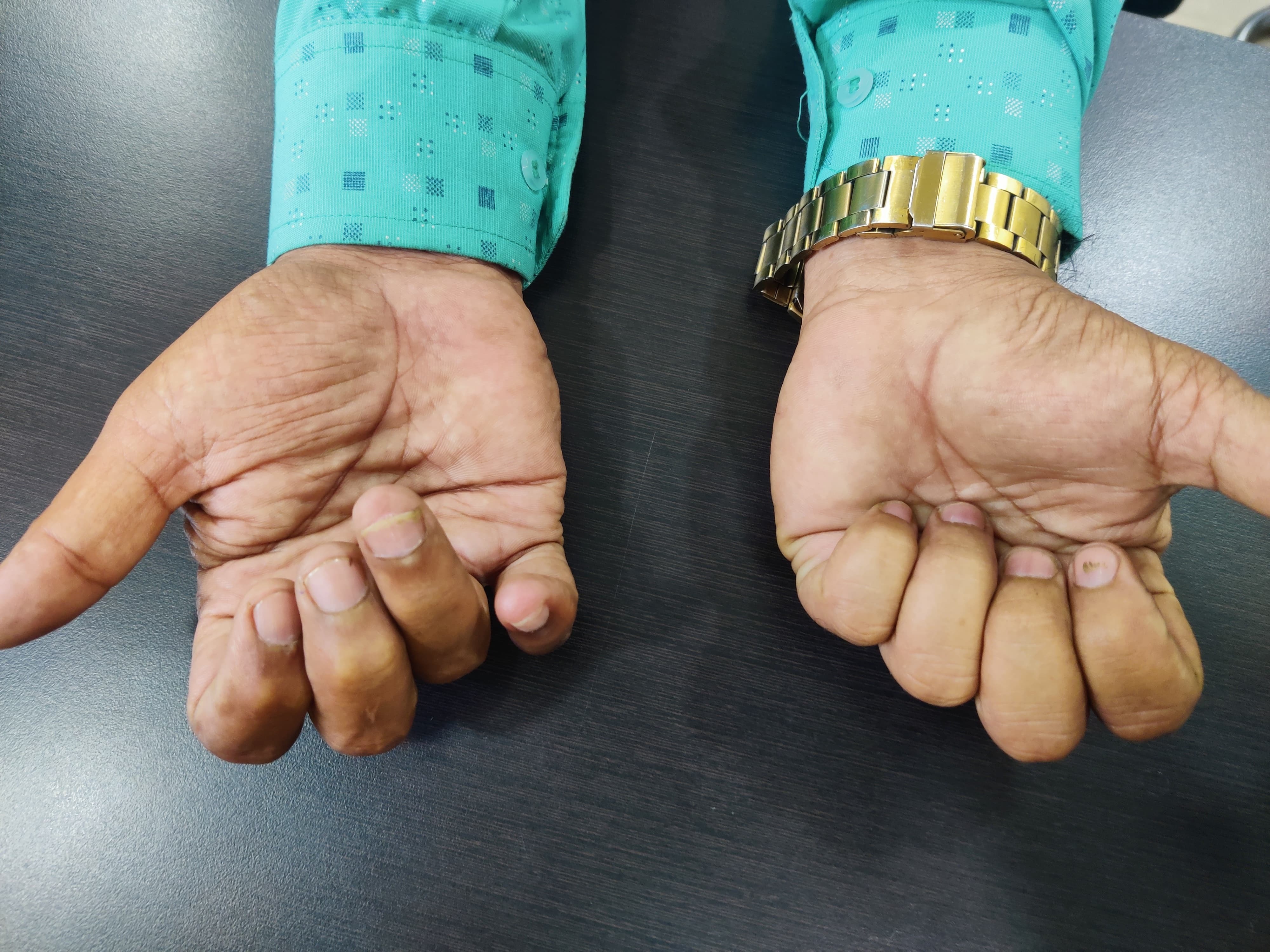
Complex Regional Pain Syndrome (CRPS): What It Is and How to Recognise the Early Warning Signs By Dr. Priya Rathi, Pain Specialist, Pune If you or someone you know has been dealing with pain that seems far worse than the original injury — pain that burns, spreads, and just won't settle down — it could be more than a slow-healing sprain or fracture. It could be Complex Regional Pain Syndrome (CRPS), a condition that is often missed in its early stages simply because people don't know it exists. As a pain specialist in Pune, I see CRPS patients who have spent months moving from doctor to doctor before getting a correct diagnosis. This article explains what CRPS is, why it happens, and — most importantly — how a layperson can learn to suspect it early, so that treatment can begin before the condition becomes harder to manage. What Is Complex Regional Pain Syndrome? CRPS is a chronic pain condition that usually develops in an arm, leg, hand, or foot after an injury, surgery, stroke, or even a minor sprain. What makes it unusual is that the pain is disproportionate to the injury itself — sometimes wildly so. A person might twist an ankle mildly, yet weeks later be unable to bear even the weight of a bedsheet on that foot. The syndrome is believed to result from abnormal signalling in the nervous system — the nerves, spinal cord, and brain essentially get 'stuck' in a pain and inflammation loop long after the original tissue has healed. There are two recognised types: • CRPS Type 1 — occurs without confirmed nerve damage (more common, often follows fractures, sprains, or immobilisation). • CRPS Type 2 — occurs when there is identifiable nerve injury. Why Does It Happen? The exact cause isn't fully understood, but it's thought to involve a combination of: • Abnormal nervous system response to injury • Inflammatory changes in the affected limb • Changes in blood flow and temperature regulation • In some cases, changes in how the brain processes pain signals from that limb CRPS can affect anyone, but it's more commonly seen in adults, particularly after fractures (especially wrist fractures), surgery, or prolonged limb immobilisation such as being in a cast. How Can a Layperson Suspect CRPS? You don't need medical training to notice that something isn't right. Here are the key warning signs to watch for, especially in the weeks following an injury, surgery, or cast removal: 1. Pain That Doesn't Match the Injury The most telling sign. A minor sprain or fracture that should be improving instead causes intense, burning, or throbbing pain that seems out of proportion. 2. Pain That Spreads Instead of staying localised to the site of injury, the pain may spread to the rest of the hand, foot, or limb. 3. Skin Colour and Temperature Changes The affected limb may look blotchy, reddish, bluish, or unusually pale compared to the other side. It may also feel noticeably warmer or colder to touch. 4. Swelling That Persists Ongoing swelling in the limb, weeks after the initial injury has otherwise settled, is a red flag. 5. Changes in Skin, Hair, or Nail Growth Some people notice the skin becoming shiny or thin, or changes in how quickly hair or nails grow on the affected limb. 6. Extreme Sensitivity to Touch (Allodynia) A hallmark symptom — even light touch, a bedsheet, clothing, or a gentle breeze can trigger severe pain in the affected area. 7. Stiffness, Weakness, or Reduced Movement Difficulty moving the joint, or a feeling of stiffness and weakness that doesn't improve with normal rehabilitation. 8. Sweating Changes Excess sweating, or unusually dry skin, localised to the affected limb. If several of these signs appear together and persist beyond the expected healing time of an injury, it's time to consult a pain specialist rather than wait it out. Why Early Diagnosis Matters CRPS tends to respond much better to treatment when caught early. Left untreated, the condition can progress, leading to long-term stiffness, muscle wasting, and significant disability in the affected limb. This is why raising awareness matters — most delays in diagnosis happen not because CRPS is untreatable, but because it isn't recognised in time. How Is CRPS Diagnosed and Treated? There is no single definitive test for CRPS. Diagnosis is largely clinical, based on symptoms, physical examination, and sometimes supported by bone scans, thermography, or nerve studies to rule out other conditions. Treatment is usually multi-pronged and may include: • Physiotherapy and graded movement therapy • Pain-modulating medications • Nerve blocks or interventional pain procedures like stellate ganglion block , lumbar sympathetic block , ultrasound guided dry needling • Psychological support, since chronic pain affects mental wellbeing too • In select cases, advanced interventions like spinal cord stimulation Because CRPS management often needs a combination of approaches tailored to the individual, it's best handled by a specialist experienced in chronic and neuropathic pain conditions. When Should You See a Pain Specialist? If you've had an injury, fracture, or surgery and the pain isn't following the expected healing pattern — especially if it's spreading, burning, or accompanied by skin and temperature changes — don't wait for it to 'go away on its own.' Early evaluation can make a significant difference in outcome. Visit a Trusted Pune Pain Clinic At our Pune pain clinic, we specialise in diagnosing and managing complex pain conditions like CRPS, using a combination of clinical evaluation and evidence-based interventional pain treatments. As a dedicated pain specialist in Pune, Dr. Priya Rathi works closely with patients to identify the root cause of persistent pain and build a personalised recovery plan. If you or a loved one is experiencing unexplained, persistent limb pain after an injury or surgery, don't ignore it. Book a consultation at our Pune pain clinic today for an expert evaluation. This article is for general educational purposes and does not replace professional medical advice. If you suspect you have CRPS or any chronic pain condition, please consult a qualified pain specialist for proper diagnosis and treatment.


